
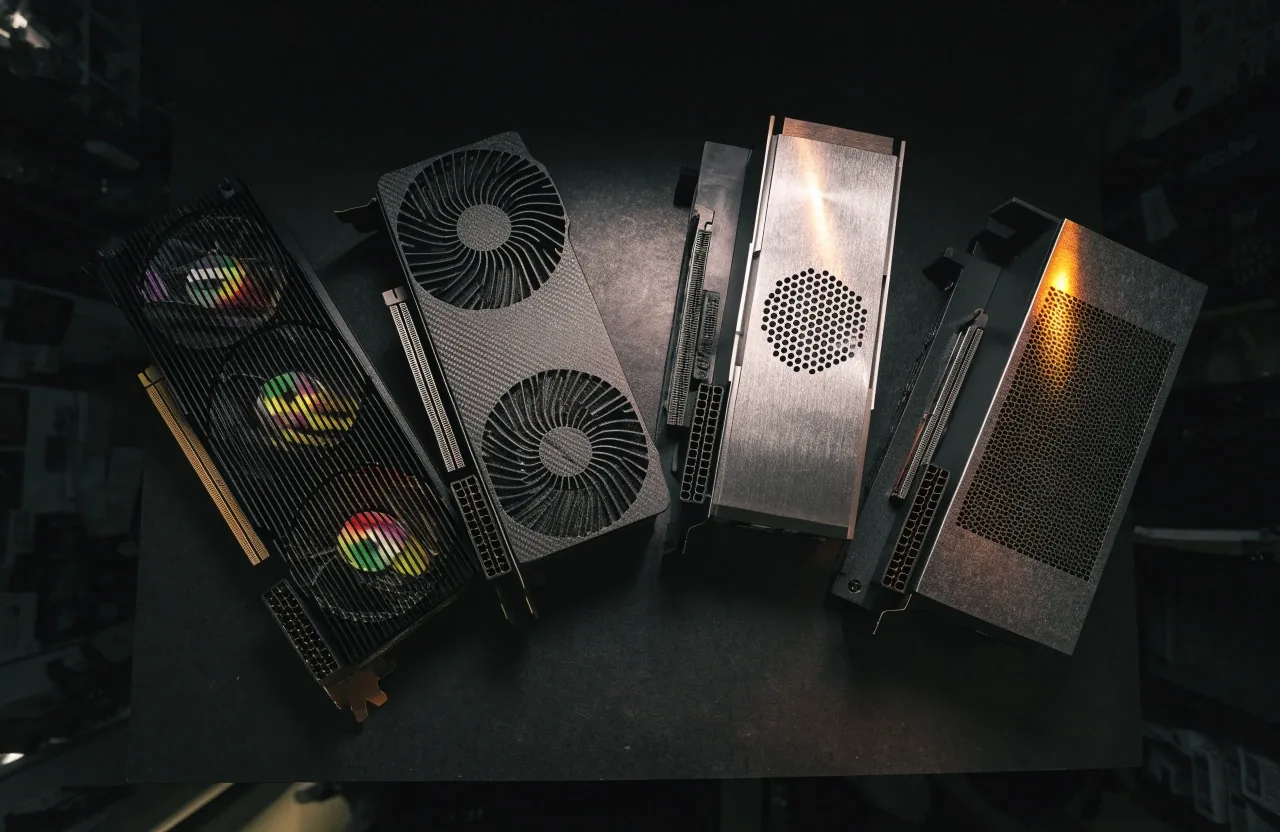
Midrange 1440p
Midrange 1440p Comparison: Four Cards Worth Weighing
RTX 5070, ZOTAC's RTX 5070 Ti AMP Extreme INFINITY, RX 9060 XT, RX 7800 XT — weighed on features, power draw and frame rate per won.
Why these four
Four cards define the 1440p midrange right now: NVIDIA's GeForce RTX 5070, the ZOTAC GAMING RTX 5070 Ti AMP Extreme INFINITY, AMD's Radeon RX 9060 XT, and the previous-generation RX 7800 XT. They overlap in price enough that the decision usually comes down to features, power draw, and how much you value raw frame rate per won.
- Compared on
- Rasterized frame rate and upscaling features
- Also weighed
- Ray tracing, VRAM headroom, TDP, cooler noise
- Then priced
- Against today's local Seoul stock, not last month's sheet
The Four Contenders
Each sits at a different point on the price-to-performance curve. Open a row to see what actually changes the buying decision.
5070 NVIDIA GeForce RTX 5070 DLSS 4 · mainstream enthusiast
Where it sits
NVIDIA's mainstream enthusiast slot in the RTX 50 series
Carries
DLSS 4 support and the strongest ray tracing feature set of the four
Why it's on this page
It is the card AMD's RX 9060 XT is priced directly against
Ti ZOTAC GAMING RTX 5070 Ti AMP Extreme INFINITY Premium cooler · upper-tier RTX 50
Where it sits
Upper-tier RTX 50-series GPU, ABOVE the 5070 in NVIDIA's range
Carries
ZOTAC's AMP Extreme INFINITY triple-fan cooler and aggressive factory styling
Why it's on this page
It caps the midrange and is the card people ask about at higher refresh rates
9060 AMD Radeon RX 9060 XT RDNA 4 · value-conscious mainstream
Where it sits
The RX 9000 series on RDNA 4 — AMD's mainstream entry for 1440p
Carries
The lowest power draw of the four and AMD's narrowed ray tracing gap
Why it's on this page
It defines the value end of the midrange bracket
7800 AMD Radeon RX 7800 XT Previous generation · price anchor
Where it sits
The older RX 7000-series card that still anchors midrange comparisons
Carries
A strong rasterized reputation and a lower sticker than the newest three
Why it's on this page
It is the reference point that makes the newer prices legible
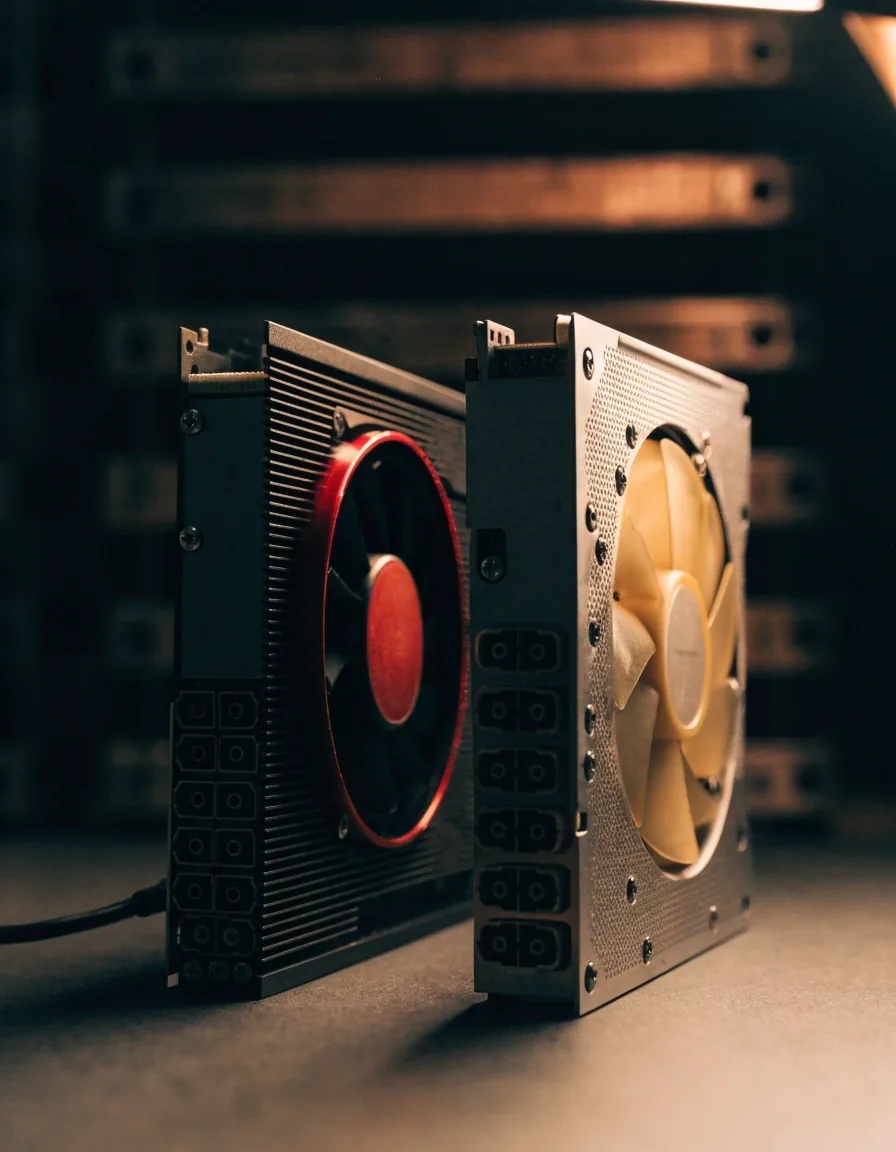
The head-to-head most 1440p buyers ask about — NVIDIA's feature set against AMD's efficiency.
RTX 5070 vs RX 9060 XT
The RTX 5070 brings NVIDIA's feature set, including DLSS 4 and stronger ray tracing, while the RX 9060 XT competes on value and lower power draw. In rasterized games the two are close enough that price often decides it.
If you use ray tracing heavily or rely on DLSS in supported titles, the NVIDIA card's advantages are easier to justify. If your library is mostly rasterized and your case is small, the Radeon's lower draw and the price gap do more work for you. Neither is a mistake — they split on what you actually run.
- RTX 5070 leans on
- DLSS 4 upscaling, ray tracing strength, creator-app maturity
- RX 9060 XT leans on
- Lower power draw, compact-case fit, value at equivalent raster settings
- Where they're close
- Rasterized 1440p frame rate at the same quality preset
- Where they diverge
- Titles that lean on ray tracing or DLSS-supported upscaling
RTX 5070 Ti vs RTX 5070
The 5070 Ti sits above the 5070 in NVIDIA's upper-tier RTX 50-series range, and ZOTAC's AMP Extreme INFINITY variant adds aggressive cooling and premium styling on top. That extra thermal headroom matters if you overclock or want a quieter card under sustained load.
The gap in price is the real question: for 1440p gaming, the 5070 handles most titles comfortably, and the 5070 Ti earns its premium mainly at higher refresh rates. Neither is a mistake; they serve different budgets.
RTX 5070
Comfortable at 1440p for the majority of today's titles. Pairs well with a 144Hz panel and a mid-size case.
ZOTAC RTX 5070 Ti AMP Extreme INFINITY
Earns its premium at higher refresh targets, under sustained load, and on overclocking headroom.
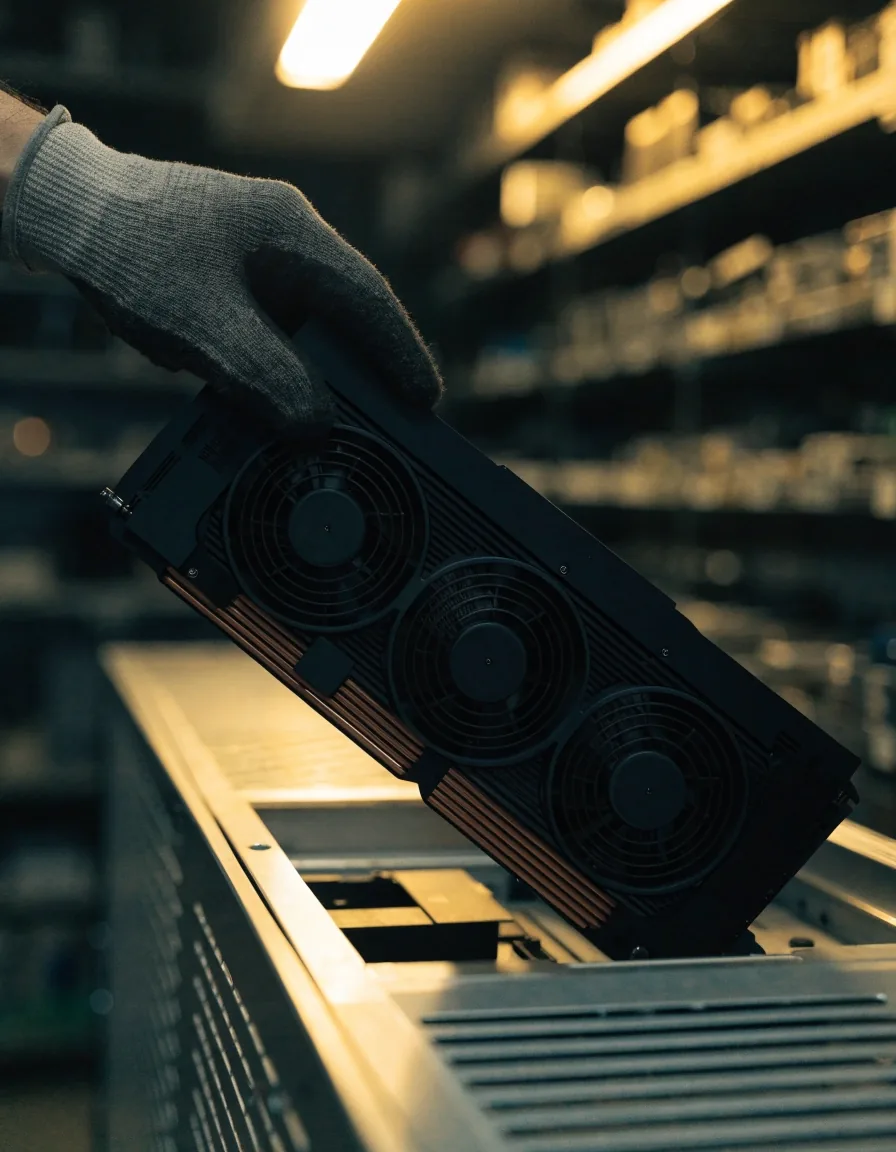
The AMP Extreme INFINITY cooler adds thermal headroom on top of the 5070 Ti GPU.
RX 7800 XT Value in 1440p
AMD's RX 7800 XT is a generation behind, and that's exactly why it's interesting. It earned its reputation as a strong 1440p value card, and builders still use it as a price anchor against newer midrange GPUs. Per won, it often competes well on rasterized performance.
It trails on ray tracing and the newer upscaling features, which is the trade-off you accept for the lower price. If your library leans on rasterized titles and you plan to upgrade again in a couple of years, the arithmetic is easy to follow.
What you get
Rasterized 1440p performance that competes on price per won against newer midrange GPUs
What you trade away
Ray tracing headroom and the newest upscaling toolkit — next-gen features landed after this card
Who it suits
Rasterized-first players building a lower-cost 1440p system
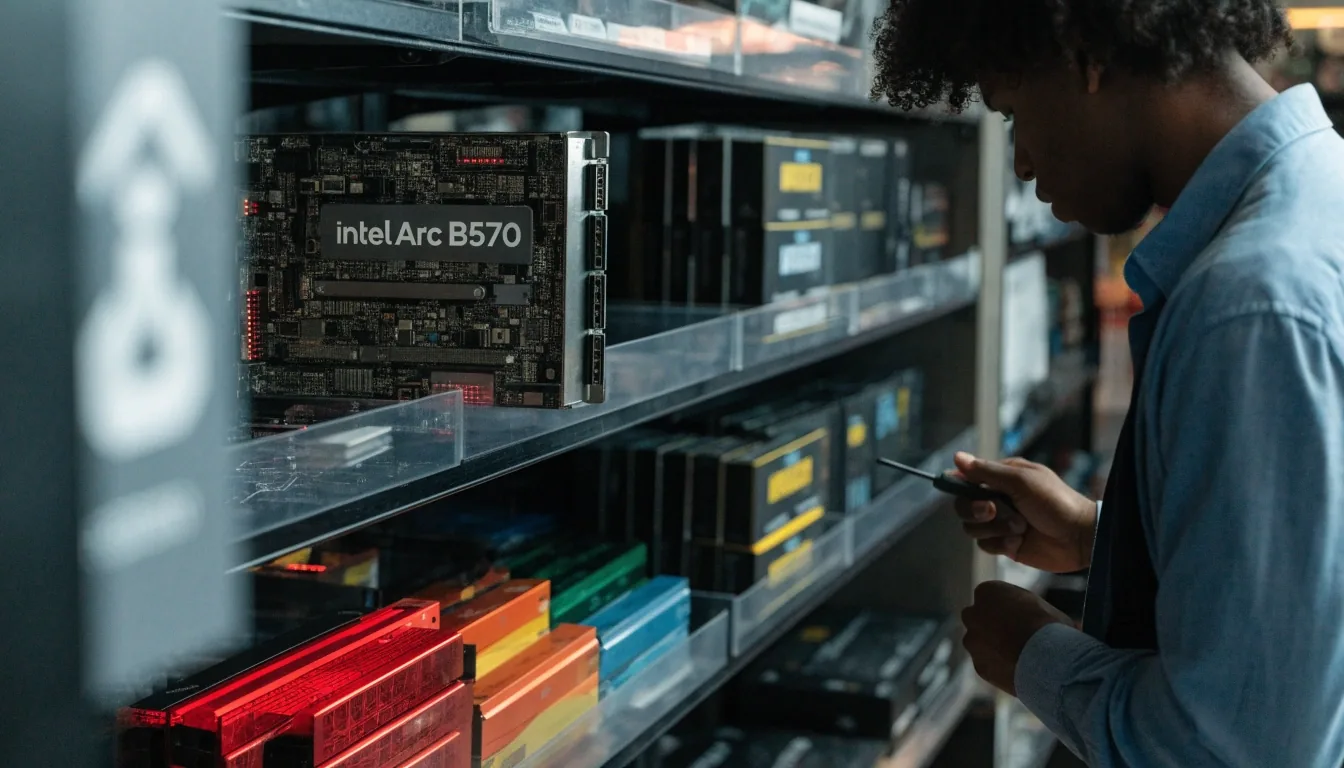
Feature support
Ray Tracing and Upscaling in the Midrange
Feature support separates these cards more than raw frame rate does. NVIDIA's DLSS and ray tracing lead the midrange, and the RTX 5070 and 5070 Ti both benefit. AMD has narrowed the gap with the RX 9000 series, so the RX 9060 XT is more competitive on ray tracing than the RX 7800 XT was.
If you play titles that lean on upscaling, factor that into the comparison. A card that runs an upscaler well at 1440p will usually feel smoother than one whose raster numbers look similar on paper.
Power Draw and Cooler Noise
Lower power draw makes a card easier to fit into compact cases and usually means less fan noise. The RX 9060 XT is the efficient option in this group, which suits smaller apartment builds. The ZOTAC AMP Extreme INFINITY trades efficiency for cooling headroom, which pays off if you overclock.
For most 1440p buyers, a card that runs quietly under load is worth more than a marginal frame-rate edge. If you live in a warm room or a small case, weight this section higher than the frame-rate section above.
Price-to-Performance by Budget
The right pick shifts with your budget. Local pricing moves with supply, so ask for a current quote rather than relying on a number from last month.
-
Lower midrange
Value first
RX 7800 XT and RX 9060 XT compete here on price per won and power draw.
Both hold 1440p comfortably at typical quality presets. The 9060 XT is the newer architecture; the 7800 XT is the sharper price when stock allows.
-
Middle midrange
Balanced
The RTX 5070 balances features and frame rate for the widest range of 1440p libraries.
If you split time between gaming and creator work, or lean on DLSS-supported titles, this is the natural middle pick.
-
Upper midrange
Headroom
The ZOTAC RTX 5070 Ti AMP Extreme INFINITY adds thermal headroom for people who want it.
Best fit for higher refresh targets, sustained-load sessions, or overclocking. The premium is real — the question is whether your monitor and case can use it.
Which 1440p Card Fits Your Build
Match the card to your monitor's refresh rate and your case. A 144Hz 1440p panel is well served by the RTX 5070, RX 9060 XT, or RX 7800 XT, while higher refresh targets favor the 5070 Ti.
Small cases and modest power supplies push you toward the lower-draw cards. If you split time between gaming and creator work, NVIDIA's feature set carries more weight. Bring your specs and we'll narrow it to one or two options.
Refresh target
144Hz panel
RTX 5070, RX 9060 XT, or RX 7800 XT — the widest landing zone in this bracket.
Refresh target
Higher refresh targets
ZOTAC RTX 5070 Ti AMP Extreme INFINITY — thermal headroom for sustained high-load play.
Case & PSU
Small case, modest PSU
Lower-draw cards fit easily and leave more polite headroom in the airflow budget.
Workload mix
Gaming + creator work
NVIDIA's feature set carries more weight when you split time between play and production.
Prices move. The comparison should move with them.
Frame-rate reviews run in peaks and quiet periods. What we can offer is a straight comparison on the points that change an actual decision — and a current quote rather than a number from last month.
Common questions on this comparison
Which of the four is the better buy at 1440p?
There is no single answer — that is the point of the page. At 144Hz and a rasterized library the RX 9060 XT, RX 7800 XT, and RTX 5070 all work. The 5070 Ti earns its place when you push higher refresh rates or want the extra thermal margin. Match to your monitor and case first, then to price.
Is the RX 7800 XT still worth buying in 2026?
For rasterized 1440p on a tighter budget, yes — it is the price anchor the newer cards are measured against. If ray tracing or the newer upscaling toolkits matter to you, the RX 9060 XT or RTX 5070 will age better against upcoming titles.
Does the 5070 Ti make sense at 1440p, or is it for 4K?
It is a 1440p card at higher refresh targets first — the kind of headroom that keeps frame times flat under sustained load. If your panel tops out at 144Hz and your case breathes well, the 5070 usually covers the same ground for less. The Ti earns its premium when you would actually use the extra.
How often do these prices change?
Local supply in Seoul shifts week to week, and seasonality matters around new launches. We would rather send you a current quote than a printed number that stops being true. See how we track prices and stock for the process.
Bring your specs, we'll narrow it down
Tell us your monitor, case, and the titles you actually play, and we'll shortlist the two cards that fit best — with a current price for each. If you would rather read first, the buying guide walks through the same decisions in more depth.
Visit the shop
Mystravale GPU Store88, Teheran-ro 87-gil, Gangnam-gu,
Seoul, 06164, Republic of Korea
Opening hours
Mon–Sat: 10:00–20:00
Phone